-

(7)
Ball Bearing Turbo for Dodge Cummins 1988 - 2007 -Dual Ceramic
Choose Options$1,939.00 - $4,189.00 -

-
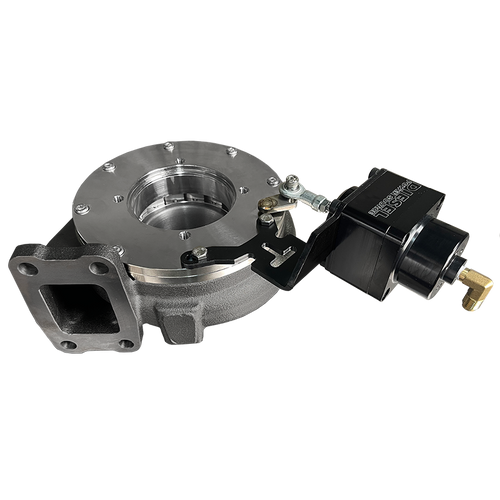

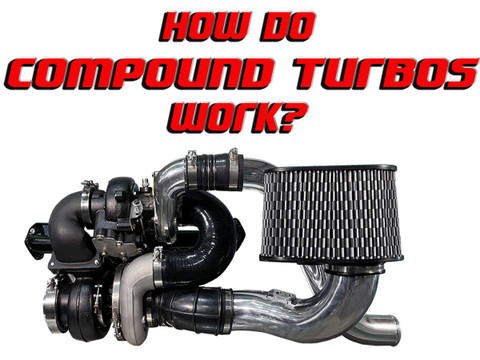

Diesel Power Source® S300 turbos for the 1989-2007 5.9L Cummins and the 2007.5-2018 6.7L Cummins, from the S362 for towing and daily driving to the S369 for 750+ HP builds.
(7)
A Diesel Power Source® S300 turbo is a single-turbo upgrade built on the S300 platform in five configurations: the S362, the S363 with two turbine options, the S366, and the S369. It covers stock power through 750+ RWHP on the 5.9L Cummins and bolts to the T3 flange at the factory manifold location. Every DPS S300 has a forged milled compressor wheel (FMW), a 360° thrust bearing, a divided scroll turbine housing, a high-flow dual valve wastegate, and a larger diameter turbine shaft than the factory Dodge Cummins turbo. On the 6.7L, the S300 installs through the 3rd Gen Swap Kit or as a T4i Turbonator® VGT.
Five configurations sized to the fuel the truck is running
Mounts at the factory manifold location on 1989-2007 trucks
Spools approximately 200 RPM sooner at every size
Becomes the high-pressure turbo in a later compound setup
| Turbo | HP Range (RWHP) | Max Airflow | Best For |
|---|---|---|---|
| S362/68/.70 | Stock-450 | About 76 lb/min (1,020-1,080 CFM) | Towing, daily driving, and stock to moderate builds. One of the most popular sizes for the 5.9L. |
| S363/68/.70 | 375-525 | About 78 lb/min (1,050-1,110 CFM) | Builds with a little more fuel. Spool is close to the S362 with more headroom. |
| S363/73/.80 | 400-575 | About 78 lb/min (1,050-1,110 CFM) | Mixed towing and performance. A strong choice for the 6.7L as well. |
| S366/73/.80 | 450-650 | About 87-90 lb/min (1,170-1,240 CFM) | The most requested single turbo for towing and performance on the 5.9L. |
| S369/73/.80 | 500-750+ | About 95-98 lb/min (1,280-1,360 CFM) | Performance builds, sled pulling, and competition. Not the pick for a tow rig. Ball bearing recommended. |
How to read the numbers: S362 means a 62mm compressor wheel. The /68 or /73 is the turbine exducer in millimeters, and the .70 or .80 is the turbine housing A/R. The .70 housing spools sooner at low RPM, and the .80 housing flows more exhaust at the top end.
HP figures are approximate rear wheel horsepower on the 5.9L and vary with tuning, fueling, and supporting modifications. The same turbos support more power on the 6.7L. Airflow figures are maximums at sea level.
The S362/68/.70 or S363/68/.70. The divided scroll .70 housing makes boost early, which is what you want when pulling a grade or merging with a trailer. The S362 flows about 76 lb/min, more than the largest factory Cummins pickup turbo at about 67 lb/min, and typically runs 100°F or more cooler than the factory turbo.
The S363/73/.80 or S366/73/.80. The 73mm turbine and .80 housing add exhaust flow for higher fueling. Each step up in compressor size spools a little later, so match the turbo to the fuel the truck actually has.
The S369/73/.80 is the largest S300 compressor. It makes strong power but can surge when towing. For a high-horsepower truck that tows, DPS typically recommends the S366 or a compound kit instead.
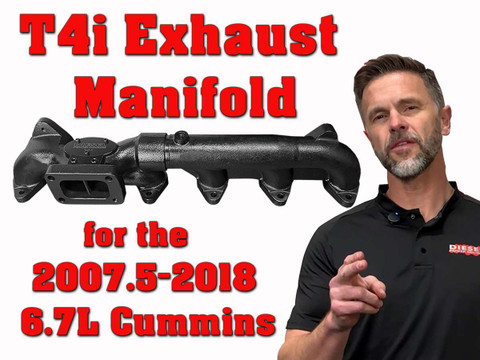
The 3rd Gen Swap Kit replaces the factory VGT with an S300 and a 2-piece manifold. The S300 Turbonator® VGT bolts to the factory T4i manifold in S363, S366, and S369 sizes and keeps the factory exhaust brake.
Dual ceramic ball bearings spool approximately 200 RPM sooner than a journal bearing at the same horsepower. Synthetic oil is required, and the supplied oil restrictor fitting must be used. Learn more about ball bearing turbos.
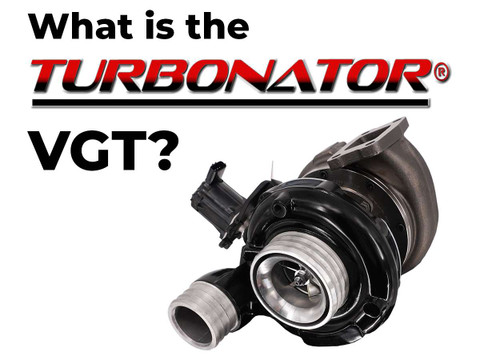
Replaces the fixed turbine housing with a variable geometry housing that adjusts A/R from approximately 0.45 to 1.1. It spools 200-300 RPM sooner than a fixed housing with the same compressor wheel, and the electronic version adds exhaust brake capability. View Turbonator® VGT options.
An S300 single can later become the high-pressure turbo in a compound system by adding an S400 with a DPS Add-A-Turbo kit, or you can go straight to a full compound turbo kit. Tell DPS when you order if compounds are in the plan.
Ready to upgrade? Pick your truck above, or see all 5.9 Cummins turbos and 6.7 Cummins turbos. Not sure which size fits? Use the Turbo Selector or call 801-930-8404 with your year, current modifications, and power goal. Free shipping on orders over $350.
Cummins is a registered trademark of Cummins Inc. Diesel Power Source® is not affiliated with Cummins Inc.
The last two digits are the compressor wheel size in millimeters: 62mm, 63mm, 66mm, and 69mm. The next number is the turbine exducer (68mm or 73mm), and the last is the turbine housing A/R (.70 or .80). A larger compressor moves more air and spools a little later.
On the 5.9L Cummins, approximately: S362 stock to 450 RWHP, S363/68 375-525 RWHP, S363/73 400-575 RWHP, S366 450-650 RWHP, and S369 500-750+ RWHP. The same turbos support more power on the 6.7L. Actual results depend on tuning, fueling, and supporting modifications.
Yes. A DPS S300 moves more air than the factory turbo, so the fuel burns more completely and less heat leaves as exhaust. DPS S300 turbos typically run 70°F to 100°F or more cooler than the factory turbo, with the largest drop on the S362.
The S362 or S363 for stock to moderate builds, because the .70 housing makes boost early. The S366 is the most requested single turbo for trucks that tow and want more power. The S369 is built for performance and can surge when towing, so DPS typically recommends an S366 or a compound kit for a high-horsepower tow rig.
Yes. An S300 single can become the high-pressure turbo in a compound system when a larger S400 is added with a DPS Add-A-Turbo kit. Tell DPS when you order if compounds are in the plan.
Dual ceramic ball bearings spool approximately 200 RPM sooner than a journal bearing turbo at the same horsepower, and the gain is consistent at every size. DPS recommends it on the S369 to offset the later spool of the larger wheel. Ball bearing turbos require synthetic oil and the supplied oil restrictor fitting.
It replaces the fixed turbine housing with a variable geometry housing that adjusts A/R from approximately 0.45 to 1.1. It spools 200-300 RPM sooner than a fixed housing with the same compressor wheel. The electronic version adds exhaust brake capability, including on 5.9L trucks.
They are two frame sizes. The S300 is the single-turbo choice for most 5.9L and 6.7L Cummins pickups. The larger S400 is the atmospheric turbo in DPS compound and Add-A-Turbo kits. Above about 600-650 HP, a single turbo large enough to make the power gives up low-end response, so a compound kit is typically the better choice for a truck that tows and drives on the street.